Thirty-five years ago, I was a young, impatient structural engineer rushing through 200 pages of hand calculations. I made critical errors early on, over-designing every beam without understanding why. When my boss and I discovered the mistakes during foundation design, fear hit me first. If I'd under-designed instead, that building could have collapsed. Weeks of rework followed.
In today's hyperconnected world, we're moving faster than ever. We're bombarded with decisions, deadlines, and the pressure to show immediate results. Everyone's looking for hacks to keep up with the pace. But the real solution isn't external. It's internal. We need to step back, look inside ourselves, and create intentional moments of peace to achieve sustainable pace.
When I reached the executive ranks, I watched successful leaders approach problems differently. They looked at strategy, people, culture, tactics: the full picture. As Chief of Staff, I learned that stepping back for deep research and thought on M&A decisions and strategic partnerships wasn't wasted time; it was insurance against costly mistakes.
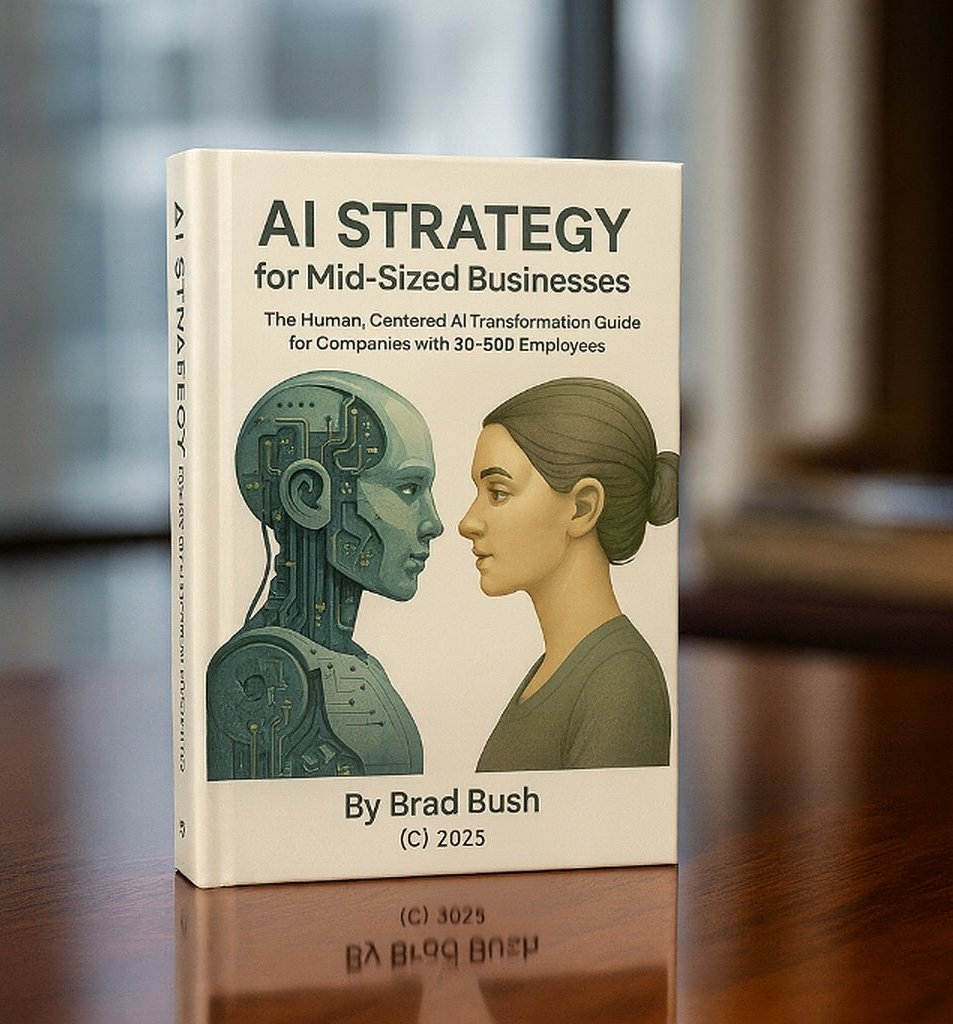
Today, in all parts of my life including my AI strategy work, I apply what I call the "North Star" approach: set a clear vision, then create strategic projects that move you stepwise toward that goal. This parallels the framework I outline in my book for AI Impact Projects: specific, digestible initiatives that teams can complete, absorb, and gain real value from before AI fear or burnout sets in. These aren't just pilots or experiments; these impact projects are deliberate wins that build momentum and confidence while moving your business closer to your ultimate vision.
What's the hardest part? I'm a chronic over scheduler who treats every hour as precious. I've had to learn that thinking time isn't throwaway time; it's productive time. Some of my best insights come in the shower, on walks, when my brain is empty. Recently, after reading a very insightful article about getting through AI-powered interviews, a shower thought hit me: what if I flipped this around and taught businesses how to interview candidates using AI? That insight sparked an upcoming webinar series.
What's the second hardest part? The difference between procrastination and intentional slowing isn't always clear. I still struggle with this. But I've learned that micro-tasking gets me into flow state, while strategic pausing prevents catastrophic errors. When I'm procrastinating, I break down whatever I'm avoiding into the smallest possible next step and just start there. That momentum carries me forward. But when I'm facing a complex decision or project, I deliberately schedule time to step back, map out all the variables, and think through the full implications before moving forward. One fights paralysis, the other prevents disaster.
Peace before pace isn't about moving slowly. It's about moving deliberately.
Originally published by Brad Bush on LinkedIn.
Want a copy to keep or share?
Get this essay as a PDF you can save or send to colleagues.